How to swap plants safely
What to ask before a plant swap, where to meet, how to check for pests, and what to do when you bring your new plant home.
Published 2 min read
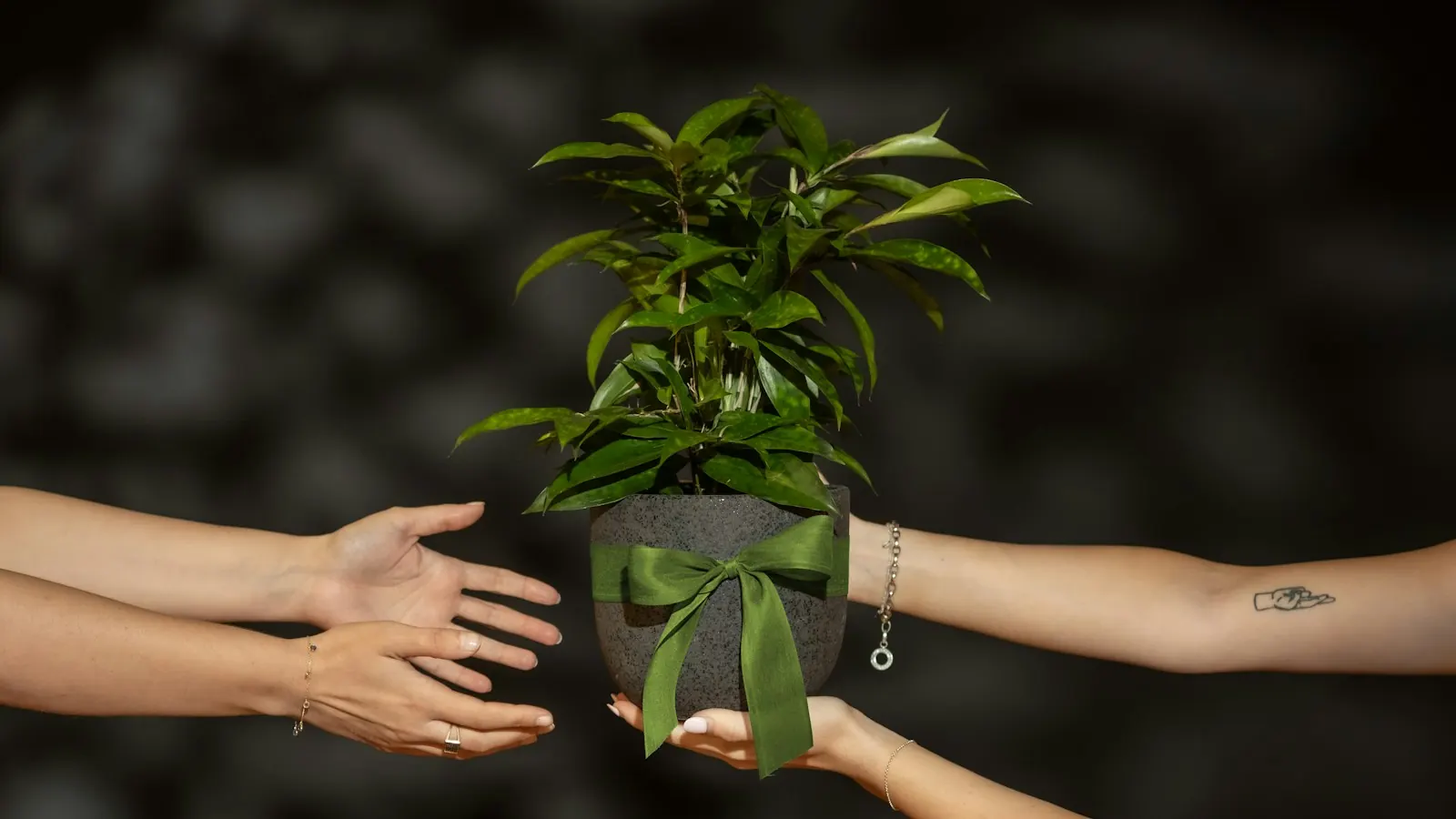
Swapping is one of the nicest ways to grow a collection: you pass on something you have too much of and get something you've been looking for, without paying a thing. A little preparation makes it go well for both of you.
Before you agree
- Ask about the plant. How long they've had it, how much light it gets, how often they water it, and whether it has ever had pests. Ask for photos of the undersides of the leaves too.
- Keep the conversation on RootSwap. Every listing has its own chat, where you can propose a swap or make an offer, so what you agreed is clear to both of you.
- Look at the other member's profile. Reviews from other members show how their past trades went. The "Trusted member" badge means they've confirmed their email, joined at least 30 days ago and completed at least 5 trades with 3 different members through RootSwap. It isn't an identity check, though.
Where to meet
- Pick a public place with people around: a square, a station entrance, a café. Daylight is best.
- You don't have to give out your address. RootSwap listings only show an approximate area, never your home.
- Tell someone where you're going and who you're meeting.
Check the plant before you take it
A plant with pests can pass them to your whole collection, so two minutes of checking are worth it:
- Under the leaves and where they join the stem. Look for fine webbing (spider mites), white cottony tufts (mealybugs), or tiny dark insects and silvery scratches on the leaves (thrips).
- On the soil. Small black flies that rise when you move the pot are usually fungus gnats: a nuisance rather than a danger, but good to know about.
- At the roots, if you can. Look through the drainage holes. Healthy roots are pale and firm; brown, mushy roots with a bad smell mean rot.
If the plant is for sale, see it first and pay after.
When you bring your new plant home
- Keep it apart for two to three weeks, away from your other plants, and check it every few days. If something shows up, you can deal with it before it spreads.
- Don't repot it straight away. Moving house is upheaval enough. Let it get used to its new light for a week or two, unless the roots are in trouble.
Close the swap on RootSwap
Once you've swapped, mark the listing as swapped and choose who it went to. The trade counts for both of you, and RootSwap will suggest leaving a review. If something went wrong, you can report the listing or block the member.
Getting a plant of your own ready to swap? Read how to prepare a plant for its new home.